A Voice in the Mountains: Who holds power in Ladakh?
By Ruhaan Thapliyal on October 25, 2026
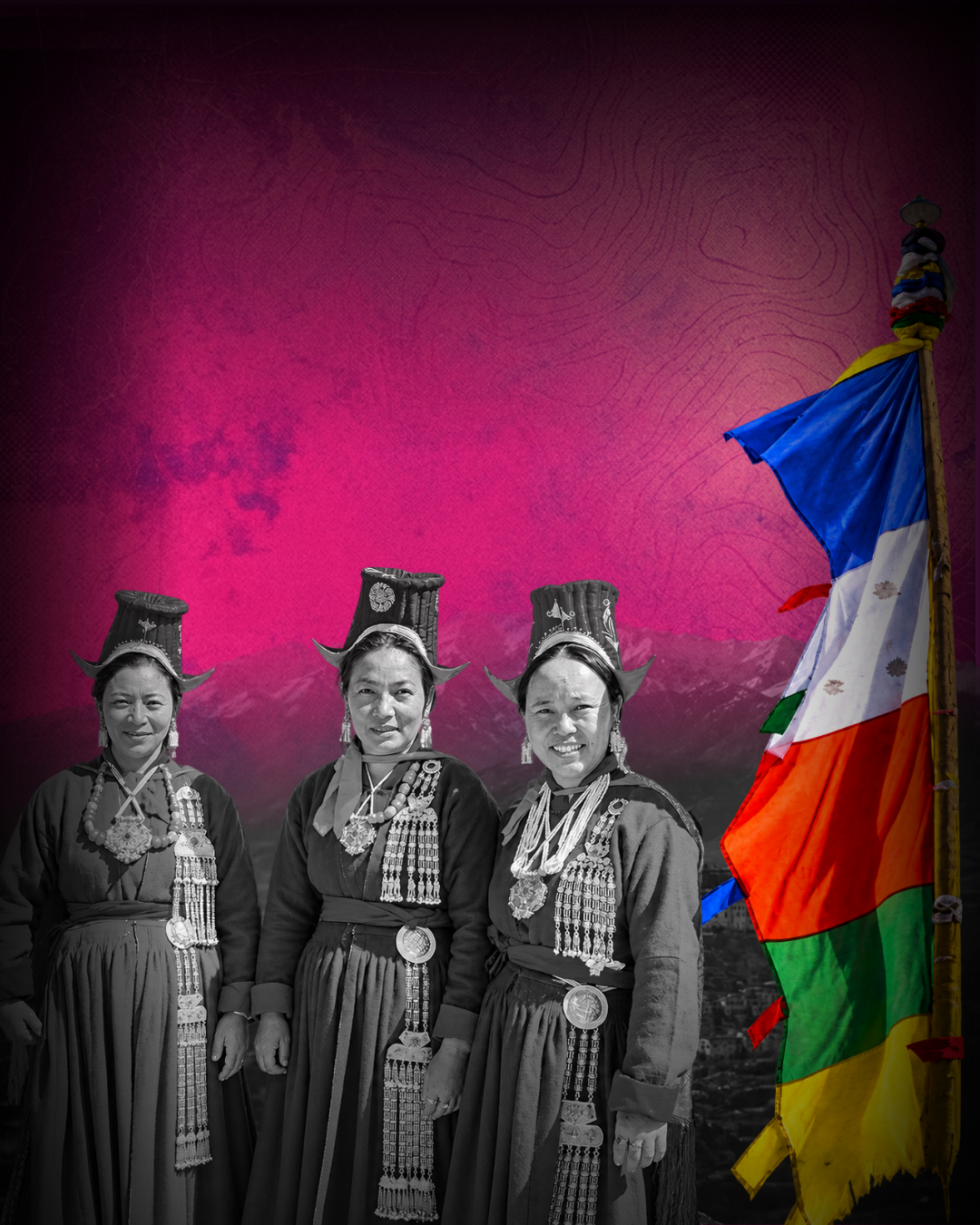
Mountains have long inhabited Ladakh, while the question of who should rule the land below remains unresolved. An agreement was not reached between Ladakhi representatives and the Union Home Ministry during the meeting held on October 15, as both parties held differing views on the constitutional guarantees demanded by the region and the authority of the elected body. As the negotiations continue in Delhi on October 22, the dispute comes up with the question that is more profound rather than administrative: is giving representation to the region sufficient if the issue of power is not addressed properly?
In 2019, a new political identity was created in Ladakh, although the region did not receive political machinery related to that identity. Unlike the state of Jammu and Kashmir (at the time), which had its own legislative assembly after being reorganised, Ladakh was transformed into a union territory without a legislative assembly being established in the region. The difference may seem bureaucratic, but the distinction is quite significant. It means that the area can have representatives who can speak for local people in the Parliament but does not have a legislature that can regulate the issues of governance. This is a strange situation where one has access to power, but this access does not provide a solution for the problem of governance. How much democracy can be observed if local people do not have a say in the most important decisions made on local conditions by someone else?
Now, debates about the issue of protection of Ladakh within the constitutional framework have transformed into debates about the kind of protection that should be provided. In their turn, the proposed model of the Centre related to Article 371K is fundamentally different from the protection in the form of the Sixth Schedule and statehood demands by the local leaders. Although they may seem conflicting from the legal perspective, the proposed models differ from each other in terms of defining the control that people will have over issues like land and job opportunities in the region and its development. The issue of protection transforms into giving people the right to vote on a number of issues; however, without having their say on things that matter most.
Ladakh is marketed to the people of India as a getaway that boasts of beautiful mountain ranges, magnificent lakes, serene monasteries, and roads that seem to touch the sky. But the image misses one important aspect: it raises issues related to land ownership and control, and whether tourism and development have an impact on the quality of life of the people who live there. Legislation is not merely legal jargon for the inhabitants. With unforeseen demographic transformations of their home, they regard it as a means of protection from the intrusion of any outsiders.
It is rather ironic that the growing popularity of Ladakh in the eyes of outsiders leads to the emergence of certain fears among the local people who want to ensure that the people of Ladakh will not face changes imposed by outsiders. It should be stated that the movement emerged not primarily as a response of the region to the administrative centre but as a way of finding common ground among opposites. Leh and Kargil are two fundamentally different places with their own history and beliefs, which makes the unification of their positions even more interesting than the one mentioned before. Despite everything, the two sides managed to reach an agreement that allows them to strive for greater democracy and protection of their rights. The alliance indicates that people can unite in challenging situations even without sharing values. But unity is not the same as unanimity, and the real test will be whether a future arrangement protects the interests of both districts rather than treating Ladakh as a single, politically convenient block. Can a region negotiate its autonomy with one voice while ensuring that every community within it is heard?
The current impasse has more consequences than yet another inconclusive government meeting. The discussion comes in the wake of years of appeals for statehood and constitutional protection, where previous assurances of keeping Ladakh’s special character intact have been presented as well. However, with the Centre’s latest offer being rejected by the parties engaged in negotiations, the gap has become so great that it covers the difference between political assurances and legal guarantees. The governments persistently talk of development, stability and administrative efficiency, while the movements talk of trust, dignity and means of self-determination. Such terms are not mutually exclusive by themselves. However, the repeated mention of a promise that has not yet been fulfilled may turn patience into a duty of people waiting for it.
The new negotiations scheduled for October 22 will provide Ladakhi representatives with yet another opportunity to come to Delhi and dispute the fate of their region in terms of drafts and clauses of legal documents. Nevertheless, the most vital disagreement may not be connected to the wording of any document. The Centre should understand the constitutional and administrative implications of the desire to gain more autonomy, while the Ladakhi leaders strive to create a situation in which local representation has real authority. The key question that lies between these two positions relates to whether power can be delegated without losing it. The government may provide an option, while people who desire autonomy may want something more than just a role in the system; they want a real opportunity to contribute to the creation of the system in question. When the negotiations end, will Ladakh have secured the power to shape its future, or merely another promise that its future will be discussed?