
A Perfect Cast, An Invisible Craft: The Oscars Finally Notice
By Diva Ajmera on April 12, 2026
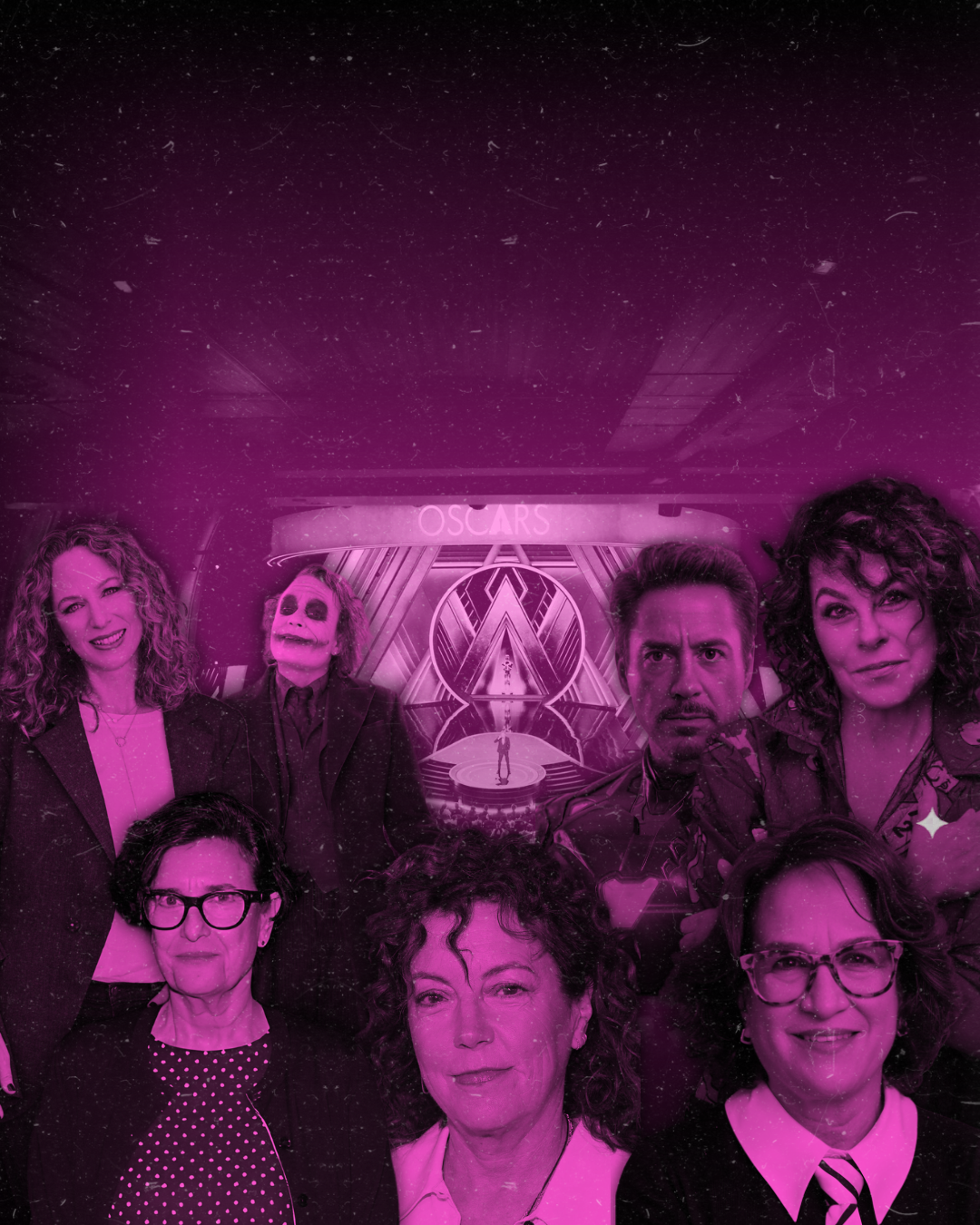
Before a film is made, it undergoes months of pre-production and planning, during which scripts are rewritten, budgets are negotiated, and locations are scouted. However, the most important part of any film, without a doubt, is its casting. Long before a trailer drops or a teaser goes viral online, a first question enters the audience’s mind as soon as a film is announced: Will the casting work? It’s instinctive, immediate and more often than not, determines what we are feeling towards a film.
Because casting is not just a part of the process, it is the base on which an entire film relies. It plays a crucial role in shaping how a story is received and can quite literally make or break a film’s future.
So, when the Oscars decided to introduce the category for Best Casting for the first time in its long and celebrated history, it didn’t just come as a surprise, it brought about a much more important debate on why it took decades for the industry to recognise and award the people who work tirelessly behind the scenes to build the very foundation of a film.
For years, casting directors have been quietly moulding cinema as we know it. They have not only created casts that go on to win awards, but they have also discovered talent that would go on to define generations of cinema. And yet, their names appear briefly in the end credits, often overlooked as audiences either leave theatres or switch off their screens. And that’s that. But, with this announcement, the Oscars have opened a door that has remained tightly shut. Casting directors are no longer just names hidden away, waiting to be recognised, celebrated, and awarded for their work.
To truly understand why this moment matters, it’s extremely important to understand what casting directors actually do because let’s be honest, their job is often misunderstood, or worse, underestimated.
Casting directors are the backbone of the filmmaking process. They don’t just find actors, which, by the way, is not an easy task either. That would be far too simple a description for something so complicated. They are responsible for scouting the perfect individuals who can bring a script to life.
They don’t just cast, they create.
Every decision they make contributes to the complicated balance between fiction and reality. A character has to feel believable through the acting. And figuring out who can achieve that connection to the audience is no small task. It requires instinct, experience, and a deep understanding of storytelling.
In many ways, they are the architects of the cinematic experience that we as an audience feel.
And if you think about it, some of the most iconic characters in cinema’s history exist because of the casting of the actors.
Look at the Harry Potter franchise. The casting of the golden trio: Daniel Radcliffe, Emma Watson, and Rupert Grint was nothing short of perfect. For millions of fans around the world, they are Harry, Hermione, and Ron. It’s almost impossible to separate the actors from the characters, which is perhaps the biggest compliment casting can receive.
The Dark Knight is a huge example of how Casting Directors see potential where the audience fails to. When Heath Ledger was cast as the Joker, the audience’s reaction was mixed, and the casting was questioned, considering he had come from romantic characters and was then cast for arguably the darkest and most complex character in cinema’s history. But what followed was one of the most iconic performances in the history of cinema, one that continues to be referenced, studied, and remembered nearly two decades later.
And that’s the magic of casting. The casting director sees what the general audience doesn’t, at least, not immediately. But here’s where the irony lies.
And that is what makes this new Oscar category so historic. It is not just about adding another award category to the list. It is about correcting a long-standing mistake. It is about acknowledging that storytelling is not just about writing and directing; it is also about choosing who will deliver the story to its full potential on screen.
Now, to be fair, while the Oscars are only now catching up, other institutions have been way ahead in this regard. The BAFTA introduced a Best Casting category in 2020 and has been awarding it for the past few years. The Emmy Awards have recognised casting in television since as far back as 1989. These platforms understood early on that casting is not just a background process, but rather it is a creative decision.
And yet, despite these acknowledgements, casting directors have continued to operate largely out of sight. Their work, though celebrated within industry circles, rarely reaches mainstream conversation. They remain, in many ways, invisible to the very audiences they impact the most.
But perhaps that is finally about to change.
This move by The Academy not only stirs up conversations, but it also encourages appreciation; it invites people to look beyond performances and ask the very necessary question: Who made this possible?
This could also lead to more creative freedom. When a craft is given its deserved recognition, it is valued, and when it is valued, it is given the space to evolve. Casting directors may now feel more equipped to take risks and to push boundaries in ways they may not have before.
At the end of the day, before a single line is delivered or a scene is shot, casting directors decide who we will believe, who we will love, and who we will remember.

So true….casting directors were always there but not getting their importance in the public….very well written…letting us know in depth the role of casting directors and how important they are to any project, show or film.