SIR Deletions, CEC Resignation Demand: The Protest India Wasn’t Allowed to Hold
By Shivanya Anurag on October 11, 2026
On today’s episode of Who’s Killing, saving, mocking, or restoring the dying democracy in India, we are to talk about the nationwide protest against the Election Commission of India (ECI) Special Intensive Revision (SIR), demanding the resignation of Chief Election Commissioner Gyanesh Kumar. This movement too, like the previous one that led to the historic resignation of Dharmendra Pradhan, is led by Cockroach Janta Party, the self-proclaimed saviours and flagbearers of autonomy.
The SIR is a large-scale, nationwide administrative exercise conducted to thoroughly update, verify, and clean up the country’s voter list. However, this clean-up exercise removed almost 13.3 crore names right before elections. Naturally, people are beyond enraged and wish to take to the streets demanding the prohibition of this exercise and the resignation of CEC Gyanesh.
This issue has previously been brought to light by the leader of the opposition, Rahul Gandhi, calling out vote chori. Another interesting question asked by Gandhi was: why did the Modi government introduce a law shielding election commissioners from civil and criminal proceedings for acts performed in their official capacity?
Section 16 of the Chief Election Commissioner and Other Election Commissioners Act, 2023, extends this protection even after they leave office. While intended to prevent frivolous litigation, critics argue that it risks weakening accountability for those entrusted with safeguarding our elections.
Now let me paint a picture of how this protest, planned to take place on the 10th of October at Jantar Mantar, actually played out.
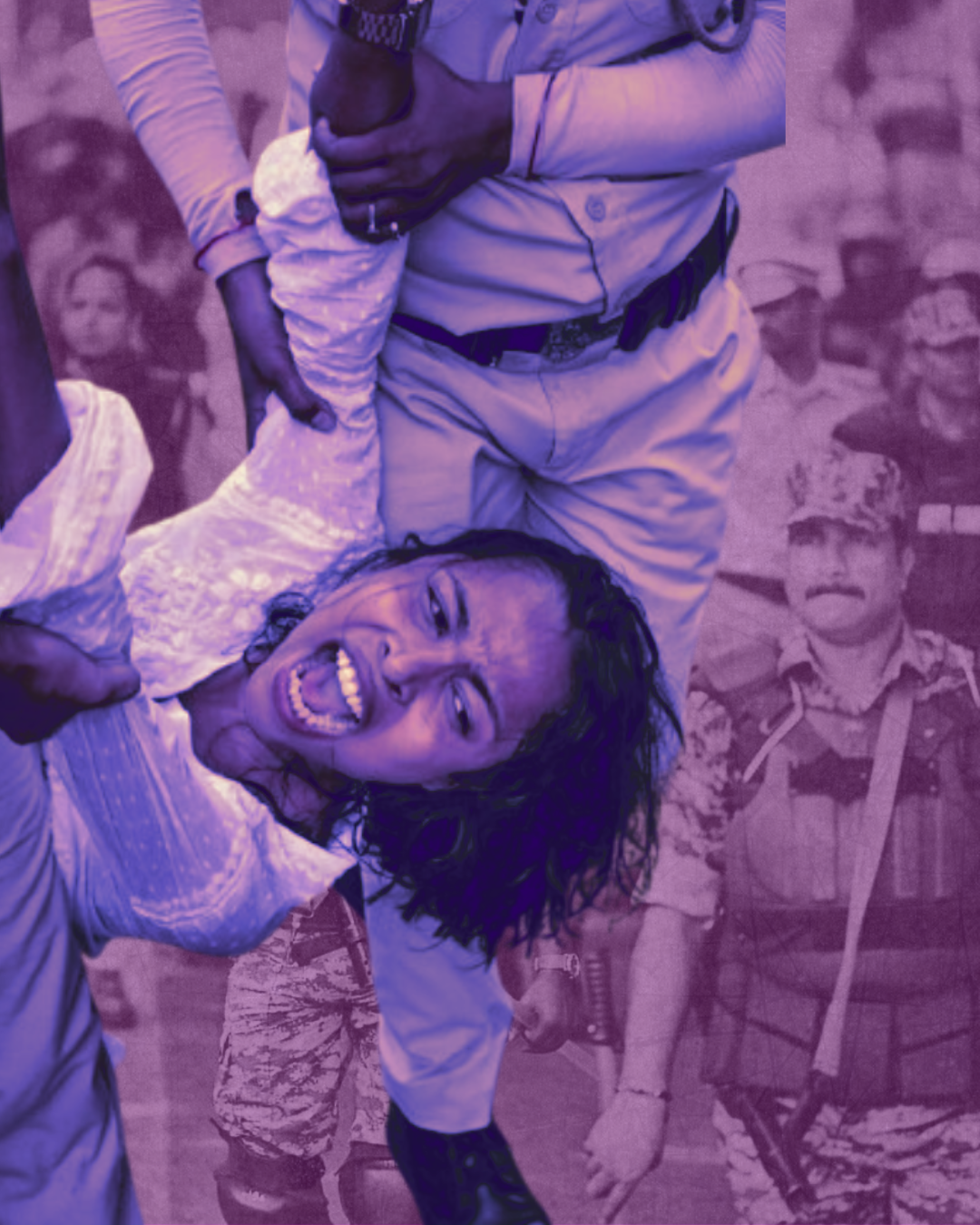
Days ahead of D-day, Delhi witnessed protection it had begged for during its worst crime waves. Around 25,000 Armed Police Personnel and 7,000 CRPF were deployed. Detention centres were prepared not just in Delhi but all across the country.
People travelling inter-city to exercise their democratic rights were detained. Students, when found travelling in groups, were detained from trains to stop them from reaching the protest site. Journalists travelling for their everyday job were pulled out of their cabs and detained without reason. Numerous female protestors were detained after 6 PM and taken to unknown banquet halls acting as detention centres.
Fifty-seven metro stations were shut, and internet access was blocked in the very capital of the country that prides itself on being the world’s largest democracy.
Police entered mosques to ask people not to participate and detained protestors from inside of gurudwaras. Connaught Place was installed with loudspeakers declaring it illegal for more than 2 people to gather and that crossing the barricades would lead to legal action. Almost 10,000 peaceful protestors, before even beginning to protest, were detained. The lawfully designated protest site was turned into a fortress, keeping the people this country belongs to shunned out.
And yet again, the citizens of the world’s largest democracy are left with questions, their right to ask them seemingly stripped away. Across the country, people are asking: if peaceful protest was once the means through which India won its freedom, why are citizens today being stopped from exercising that very right? What does it say about our democracy when people are detained before they can even reach the site of a lawful protest? These are questions the government must answer, and questions that cannot be silenced by barricades, detentions or shutdowns.