The Diplomacy of Forgetting: Seven Years After Galwan, Normalisation Without Resolution
By Ronita Bhattacharya on August 18, 2026
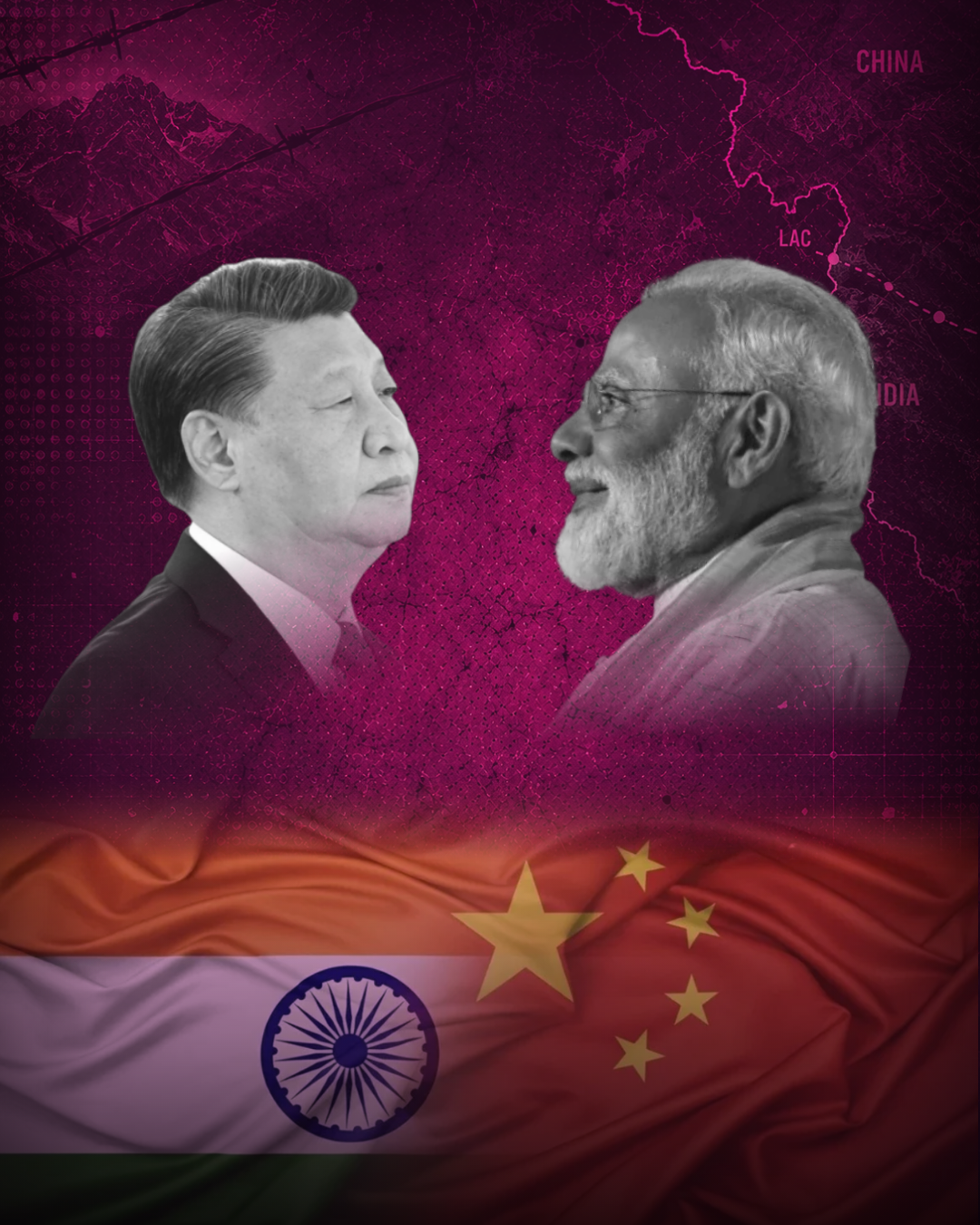
The last time Xi Jinping chose to accept an invitation to India was in October of 2019, when Prime Minister Narendra Modi walked Xi Jinping along the shore at Mamallapuram, past eighth-century rock-cut temples, for what both governments called an “informal summit”, a phrase that claims nothing discussed there has to be honoured later. And within the next eight months, Indian and Chinese soldiers were beating each other to death with sticks, stones, and iron rods in the Galwan Valley, at 14,000 feet, since neither was allowed to carry guns and couldn’t shoot their way out. It was the first fatal clash between the two armies since the ambush at Tulung La in Arunachal Pradesh almost 45 years ago, and the Chinese President hasn’t set foot in India since.
But that might change soon, with China’s Foreign Minister saying, “China attaches great importance to and actively participates in BRICS cooperation,” and supporting India “in making the BRICS summit a complete success”. Seven years of silence, and Beijing’s first answer is still a non-answer, since the president’s visit isn’t confirmed–which may be the most honest thing about the Indo-Chinese relationship since Galwan.
Everything since the ambush has been managed rather than resolved. Border commanders meet in rounds numbered high enough that the numbering itself has become the story. New Delhi calls the talks “constructive and forward-looking,” a phrase that does the same work “informal” did in 2019. Flights have resumed. Pilgrimage routes have reopened. And now Delhi is reportedly weighing whether to quietly lift the restrictions it placed on Chinese firms bidding for government contracts after Galwan — even as its own foreign minister, in the same meetings where he raises the border, keeps using the phrase “restrictive trade measures” to describe what China still does to Indian trade. Normalisation, in this telling, isn’t a settlement; rather, it’s two governments blatantly ignoring the parts that haven’t changed, the past that continues into the present.
What makes September different is the audience. This isn’t a bilateral thaw conducted in private; it’s a summit-stage gathering that will also seat Putin and Iran’s leader, Masoud Pezeshkian, a gathering India is hosting explicitly to prove it can convene a bloc that no longer needs the West’s permission. Xi’s presence, or his calculated absence, becomes a message aimed past India entirely: proof, either way, that China treats BRICS as serious enough to show up for, or unserious enough to skip.
None of this requires the border to be resolved. That’s the point. The LAC will still be in September, as it has been for the last 7 years, regardless of what happens on the 12th and 13th. What the summit actually produces is a photograph of two leaders, a handshake, a joint statement written in the passive voice, and standing in for the harder, slower, less photogenic work neither government has yet agreed to finish.