The Hollywood-ification of Wuthering Heights
By Shaayon Chakravarty on March 18, 2026
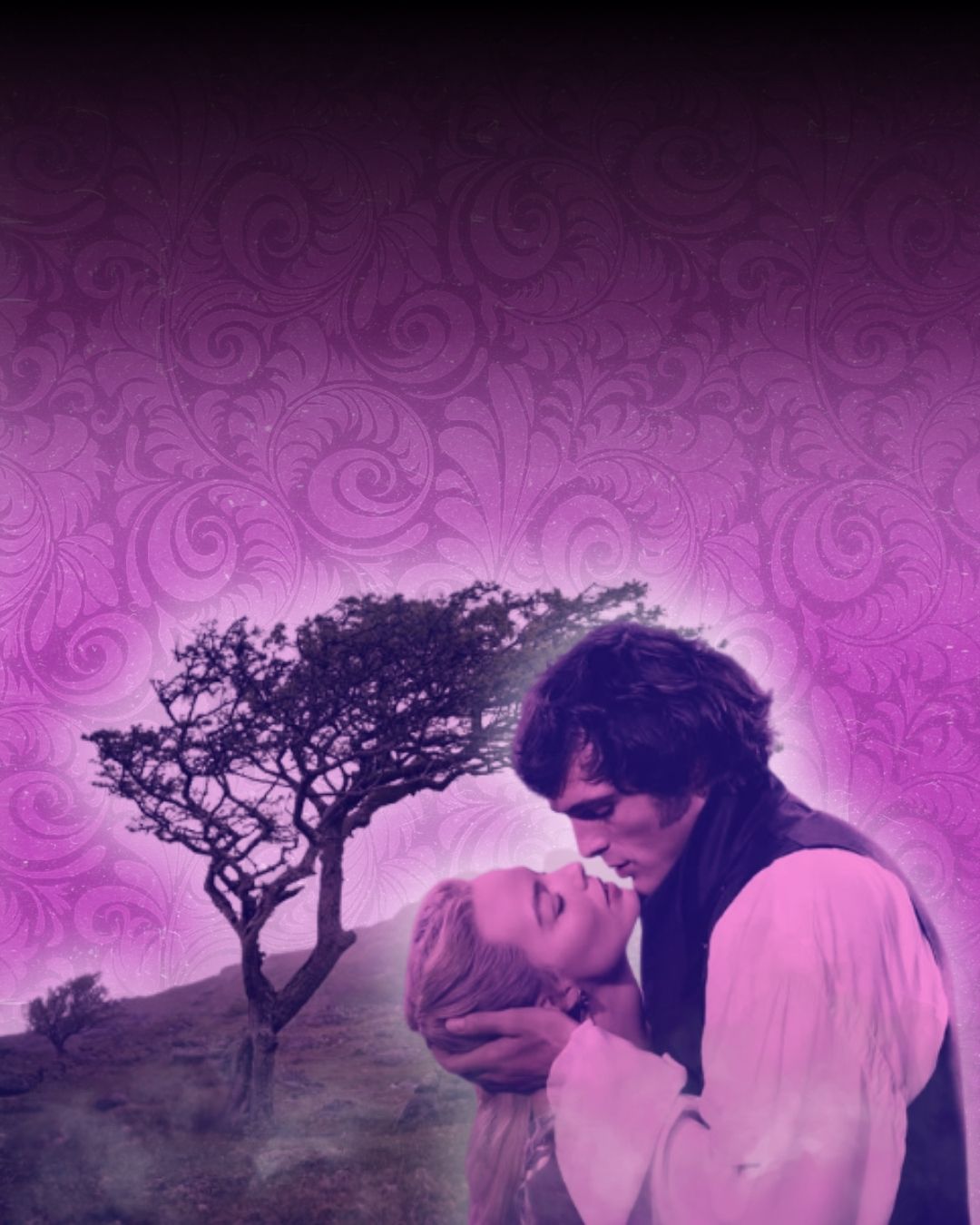
Emily Brontë’s Wuthering Heights is a tragic tale about love in a rigid society and how it shapes the ideals of the young people who inhabit it. The novel features complex, flawed characters, all bitter about their world, acting out through increasingly cruel means. At its heart, the novel is a haunting exploration of unchecked longing, desire, and the destructive consequences of revenge—elements that risk being overshadowed when adaptations focus on surface-level drama.
Emerald Fennell’s Wuthering Heights is a toxic love story about two individuals so in love with each other that they cannot, for the love of God, keep their libidos in check around each other. The movie features half the characters from the novel, and even they have their motives diluted. The characters and themes are completely whitewashed, quite literally, since the movie removes Heathcliff’s racial background entirely in favour of the white Jacob Elordi. Screentime is instead relegated to Charli XCX-scored sex scenes. But this is not just a bad adaptation of a classic novel; it’s symptomatic of Hollywood’s new affliction.
Cinema in the West is not new to showing intercourse on screens; it has existed almost as long as the art itself. But recently, with movies like Babygirl, Miller’s Girl, and Emerald Fennell’s own Saltburn, it has taken a new direction. All these movies have gone a step further and featured graphic, sexually-charged scenes that have shocked audiences. There is no inherent problem with such scenes, but there is a problem with how they are used; not as a plot device, not for a deeper message, but for their shock value.
Of course, the simple reason for this is the axiom, “sex sells.” But there’s more to it than that. When a movie like Wuthering Heights incorporates a nearly three-minute-long scene of a woman acting like a dog for her partner, it’s not just a banal inclusion of a fetish for sexual reasons; it’s a talking point. It generates discourse around the scene, which in turn provides publicity to the movie. Whether the audience reaffirms it or condemns it does not matter, since either will get eyeballs on the movie and sell seats in the theatre.
Why Wuthering Heights is the most egregious example of this phenomenon is that it takes this formula and applies it to an existing story, which has thrived for almost two centuries without it, and in doing so, has stripped the original story of all its substance. The characters are caricatures of the ones in the novel, the themes are watered down, and even the actual story is cut short.
Emerald Fennell, in an interview with Vogue, stated that she wanted to “recreate the feeling of a teenage girl reading this book for the first time”, which is apparently her excuse for removing the nuance of the original novel and replacing it with multiple sex scenes. The statement is an obvious cover-up for the lack of depth in the movie, and not a good one at that. Aside from insulting the intelligence of teenage girls everywhere, the statement only serves to validate her reading of Wuthering Heights as a steamy smut novel rather than the exploration of the racism and classism plaguing society that it is.
To be clear, I agree that a movie adaptation does not need to follow the exact plot or use the same characters to be true to the source material, but it does need to adapt the core themes and values of the source material, which this movie fails to do. The movie celebrates Heathcliff and Cathy’s torrid affair, yet refuses to delve into the deeper reasons behind it. It does not engage with the classism or racism prevalent in the novel. The conflicts are reduced to surface-level tidings, and the whole story isn’t even completed in the movie. It does take the theme of revenge from the novel, but it does not even see that through to a proper conclusion. The character of Heathcliff, considered by many to be the epitome of the Byronic hero, is tamed for this movie. The movie interests itself in the novel’s romance, but is thoroughly uninterested in the rest of the novel.
The stories which are portrayed on screen have most certainly evolved as time has progressed. If a movie calls for it to have graphic nudity and sex portrayed on screen, there should not be anything to stop it. Yet, Hollywood should not stoop to sexualising a classic novel to gain more of an audience.
There are plenty of things in Emerald Fennell’s Wuthering Heights to appreciate, the beautiful cinematography being one of them. The scenes are composed like paintings, and it is truly a joy to watch the film. The set design drops us right into the 19th-century setting and never breaks the immersion. The main cast, despite the one-dimensional roles they’re given, embody their characters beautifully on screen. But they are all overshadowed by the overt sexualisation of the story. The sexual scenes in Wuthering Heights do not celebrate sexuality; they commodify it.
Hollywood, like all other industries, is guilty of following trends. But Hollywood also has a duty to itself to hold sacred the arts it encompasses. An adaptation of Wuthering Heights does not need to follow the lead of modern cinema; it speaks on its own. Good cinema will always be appreciated regardless of whether it fits into the current canvas or not. Hollywood doesn’t need talking points to make a movie a success; it needs to have faith in its own art.