Fame Under Surveillance: A recollection of the Cost of Paparazzi Culture
By Aadrita Nandi on January 7, 2026
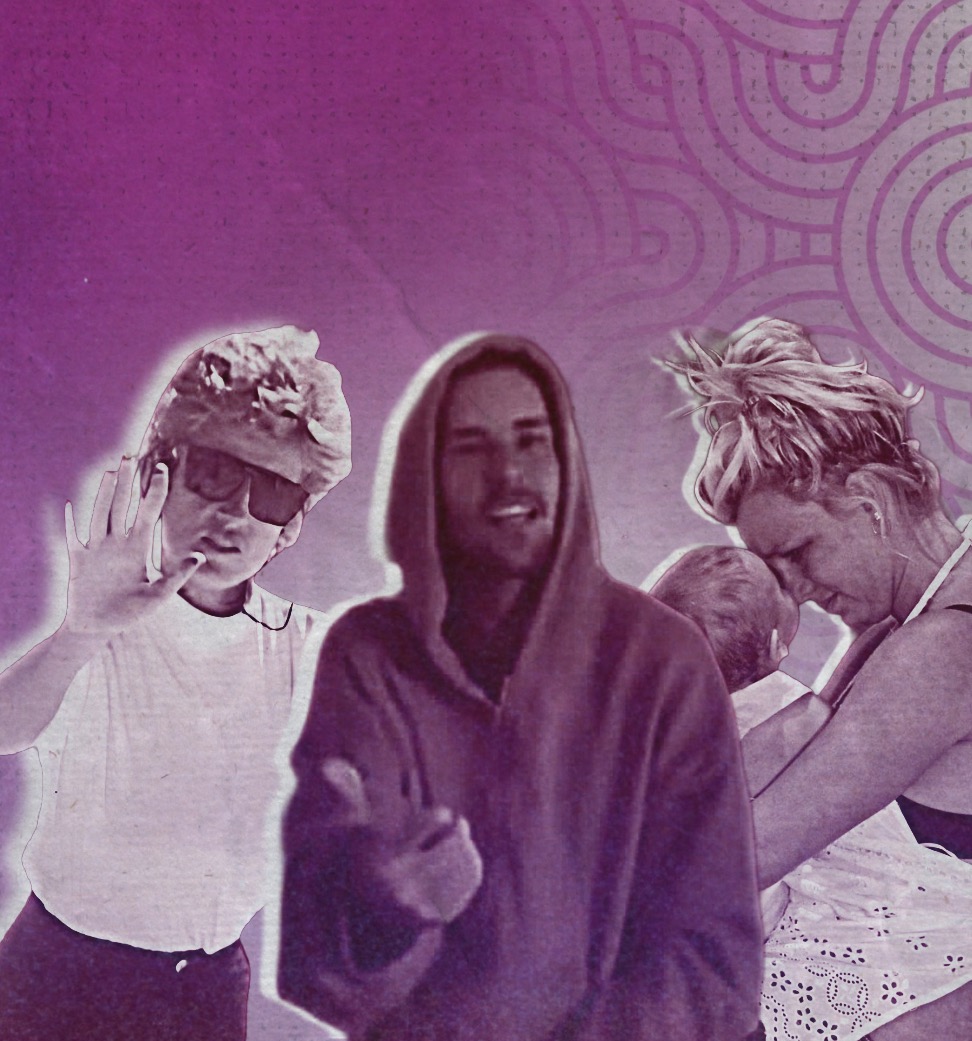
Before Instagram stories, TikTok collaborations, and PR-managed celebrity reputations, the era of paparazzi photographs quite literally defined to the public who their favourite celebrities really were, or at least who they were supposed to be. There were no Instagram captions to explain a bad day, and no interviews released instantly to clear the air around their scandals. A single photo could run everywhere, and once it did, the narrative was set.
For many celebrities, especially in the early 2000s, paparazzi were not occasional interruptions but a permanent presence in their daily lives. Over time, some stars grew familiar with the photographers who followed them most closely, recognising them by name and, in a few cases, becoming friendly with them. This, at least initially, made the situation a bit more manageable.
But this constant surveillance was never casual, “Hey, I’m just here to take a nice picture and leave.” It was far closer to, “I’ll follow you until the very last speck of your outfit is caught by my lens.”
Britney Spears’ 2007 breakdown remains one of the most painful examples. During a period of intense mental health struggles, she was followed relentlessly. Cameras caught her shaving her head, crying, and trying to escape crowds. Those images became cultural shorthand for “losing it.” The moment was so heavily circulated that it became one of the most searched and talked-about pop culture news items ever. Years later, in her autobiography, ‘The Woman in Me’, Spears reflected on that time, saying she felt like she was “treated like an animal” by the media, adding that people enjoyed watching her fall apart instead of asking why she was struggling. What the public consumed as entertainment was, for her, a deeply traumatic loss of control.
Lindsay Lohan faced a similar treatment. Her addiction and legal troubles were photographed obsessively, often with paparazzi waiting outside courtrooms, clubs, and even rehabilitation centres. Mistakes were framed as personality traits, and her recovery was rarely given the same attention as her relapse. Paris Hilton, meanwhile, was photographed so constantly that her public image became a caricature. In her 2020 documentary, Hilton spoke about how invasive the attention was and how little to no control she had over how she was portrayed, despite being so influential. She was boxed into labels like “Barbie” or “bimbo”, a term used to describe an attractive but supposedly empty-headed young woman, often perceived as a willing sex object. Yes, that is an Urban Dictionary definition. Word for word.
Amanda Bynes’ experience was especially troubling. As she struggled publicly with her mental health and addictions as a young star, paparazzi continued to follow her closely, often publishing unflattering images that appeared as if designed to humiliate. In a widely circulated altercation with the paparazzi in 2013, Bynes repeatedly begged photographers to delete the pictures they had taken of her on the street. Visibly distressed, she shouted, “Why do you all do this to me?” and pleaded, “You can’t put these on there.” At one point, her frustration spilt over into something even harder to watch: “I need to look pretty,” she said, before adding, “What do you wanna show? I’m not that pretty, I get it!”
The exchange was difficult to watch, not because it revealed anything new about Bynes, but because it showed how little care was given to her well-being and mental health. Moments of vulnerability were treated as content. And in the years that followed, Bynes stepped away from the industry entirely, retreating from the public eye after years of being documented during her lowest moments.
Frequently cited as one of the most photographed people in history, Princess Diana existed in a world where privacy was almost entirely out of reach. Long before the 2000s, she had already warned the world what this level of media obsession could do. She famously described feeling hunted by the press and spoke openly about how intrusive the attention was.
After she died in 1997, many believed that the aggressive pursuit by paparazzi, flashes going off as her car sped through Paris, played a role in the crash. While official investigations pointed to other causes, the public conversation around her death permanently linked paparazzi culture with danger, intrusion, and loss. Even then, little changed.
Justin Bieber has been in the public eye since childhood, and that level of exposure came with a cost. Paparazzi footage often captured him during moments of stress or frustration, clips that circulated widely and shaped public opinion about his personality. Over time, the pressure of constant surveillance became visible, as Bieber himself later spoke about feeling overwhelmed and disconnected from reality. His relationship with Hailey Bieber has often been viewed through a negative lens, with paparazzi videos dissected for signs of tension. Short clips of Justin closing car doors at her, appearing distant, or raising his voice were repeatedly used to suggest problems in their marriage, frequently tied to speculation about his decade-long and very public past relationship with Selena Gomez.
Speaking on the Call Her Daddy podcast in 2024, Hailey Bieber addressed how damaging this kind of coverage has been. She explained that during periods when Justin was dealing with serious health issues and personal struggles, paparazzi footage continued to surface online, often stripped of context. She noted that seeing these moments constantly framed as evidence of an “unloving” marriage had taken a mental toll on both of them, adding that the
The internet rarely considers what is happening off-camera. One would say that Justin Bieber is not new to the cameras, indeed; however, the basic awareness that celebrities are humans just like us often seems to escape people. The result is the infamous Bieber breakdown captured on tape where he repeats frustratingly that it doesn’t “clock in” to people that he is “Standing on business”, i.e. simply he is trying to do something without being photographed like a crime scene (from all angles). However, despite his clearly upset response, social media, as it usually does, made a meme out of it; by doing so, frustration became entertainment, and their vulnerability became a spectacle.
Sometimes, the harm came from a single night. When Emma Watson turned eighteen, paparazzi photographed up her skirt at her birthday celebration and distributed the images widely to millions. Years later, Watson spoke about how violating the experience was, saying it was deeply triggering and difficult to process as a teenager and young adult. What should have been a celebration became a reminder that even legal adulthood offered no protection.
However, it wouldn’t be fair to only recount the stories from Hollywood, as it is this culture is indeed global, and the invasive camera does not change, only accents. Despite warmer framing, this segways us nicely to the industry closer home – Bollywood.
Bollywood’s paparazzi culture is often framed as friendly, with celebrities smiling for cameras, greeting photographers by name, and the familiar chorus of “Sir, idhar dekhiye” echoing from behind the lens. But familiarity does not equal consent, and as professional as our Bollywood stars are, sometimes their most practised smiles cannot mask how little choice celebrities actually have when the cameras never stop showing up. While much of the conversation around paparazzi culture centres around Hollywood, similar dynamics surely exist in Bollywood. From Deepika Padukone being photographed during vulnerable periods after speaking openly about her mental health, to Alia Bhatt being constantly photographed during her pregnancy and unfairly compared for looking “less flattering” during pregnancy, even this industry reflects the same picture of affecting mental wellbeing and control in the public eye. It revealed an uncomfortable truth about the industry: vulnerability did not seem to slow cameras at all; in fact, it seemed that the camera followed such celebrities with a renewed vigour to “document” their struggle.
What made paparazzi culture so damaging was its power. Celebrities could not respond quickly, could not correct misinformation, and could not ask for privacy without being ignored. Today, celebrities have platforms to speak for themselves, and conversations around mental health are more common. But the effects of that earlier era remain visible. Many of the stars who lived through it are still unpacking the trauma of being watched during their most fragile moments.
Looking back, it becomes clear that paparazzi culture did more than document fame. It shaped lives, damaged mental health, and rewrote personal struggles into public property. And for a long time, no one stopped to ask whether the story was worth the cost.
As it is, are paparazzi the only ones to blame in this scenario? No. Because, and as it always is, content is produced to be consumed. And hence the consumers are equally to be blamed, and they are us- the audience. Those who derive satisfaction from intruding in the lives of people we like to watch on screens. Voyeurism, perhaps, might be the singular concept on which the whole paparazzi industry survives and thrives.
And so, I must say, until we don’t question our role in this equation, nothing will really change, until the audience does not themselves decide that the celebrities are real people and not consumable commodities, this cycle with indeed continue. Might be a bit quieter, and mostly digital, but no less invasive and, as long as it will exist without the consent of those in front of the lens, it will remain a problem. Their fame may be public, and they might not have the option to turn off the spotlight, but their humanity is never optional. And that will always remain a fact.